Introduction
Finding the right cancer hospital is one of the most vital steps in a patient’s healthcare journey. Cancer care involves complex medical decisions, ranging from initial diagnosis and treatment planning to ongoing management and supportive care. Patients and their families often face significant challenges when navigating this process, including understanding specialized treatment pathways and identifying facilities that offer both clinical expertise and compassionate support.
Specialized oncology care is essential because it brings together multidisciplinary teams, advanced diagnostics, and personalized treatment strategies tailored to the unique nature of each case. Reliable healthcare information is key to helping patients make informed decisions that align with their specific medical requirements. CANCERSHOSPITALS is dedicated to supporting this process by providing educational resources that help individuals explore their options, understand the oncology landscape, and find the guidance needed to approach their care with confidence.
Understanding Cancer Care
Cancer is a broad term for a group of diseases characterized by the uncontrolled growth and spread of abnormal cells. Because these diseases can affect any part of the body, cancer care requires a high level of specialized medical knowledge.
- Early Detection: The earlier cancer is detected and evaluated by specialists, the more treatment options may be available.
- The Role of Oncologists: These specialists are trained to diagnose, manage, and treat cancer, ensuring patients receive care tailored to the stage and type of their condition.
- Personalized Care: Cancer treatment is not one-size-fits-all; it depends heavily on individual health factors, the specific type of cancer, and how the disease presents in the body.
Different Types of Cancer Treatment
Treatment plans are created by oncology teams based on a thorough medical evaluation. Common approaches include:
Cancer Surgery
Surgery is often used to remove tumors or surrounding tissue. The success of this approach relies on the surgeon’s expertise and the hospital’s ability to provide comprehensive perioperative care.
Chemotherapy
This treatment uses specialized medications to target and destroy cancer cells. Treatment plans vary widely depending on the type of cancer and the patient’s overall health.
Radiation Therapy
This approach uses high-energy beams to target and shrink tumors. It requires specialized equipment and precise delivery by medical teams.
Immunotherapy
A type of treatment that helps the patient’s immune system fight cancer. It represents a significant area of focus in modern oncology.
Targeted Therapy
These treatments focus on specific abnormalities within cancer cells, offering a more personalized path for certain types of disease.
Supportive and Palliative Care
This is a vital component of oncology that focuses on managing symptoms and improving the patient’s comfort and quality of life at every stage of the journey.
Why Choosing the Right Cancer Hospital Matters
The hospital you choose plays a critical role in your treatment experience and long-term outcomes.
- Oncology Expertise: Top-tier hospitals foster multidisciplinary teams—including surgeons, medical oncologists, and radiation specialists—who collaborate on patient care.
- Advanced Diagnostic Facilities: High-quality oncology centers are equipped with the latest imaging and laboratory technologies to ensure accurate staging and diagnosis.
- Comprehensive Treatment Options: Specialized hospitals provide access to a full range of services, ensuring that treatments can be adjusted as the patient’s needs evolve.
- Patient Support Services: A focus on the “whole patient” means providing emotional support, nutritional guidance, and care coordination for the entire family.
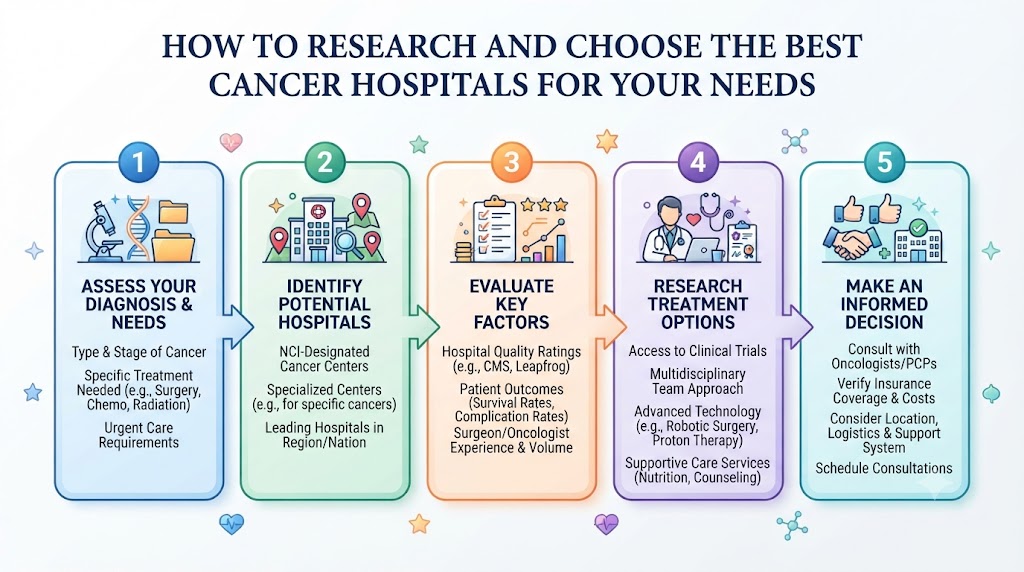
How to Find the Best Cancer Hospitals
When evaluating oncology centers, consider the following factors:
- Cancer Specialist Experience: Look for oncology teams with extensive experience in your specific type of cancer.
- Oncology Infrastructure: Ensure the hospital has dedicated departments for diagnostics, treatment, and recovery.
- Multidisciplinary Care Approach: The best outcomes often come from centers where different specialists communicate and work together on a single, personalized plan.
- Technology and Treatment Options: Research whether the center offers the latest available treatment approaches and modern medical equipment.
- Patient Support and Communication: Clear, compassionate communication from the care team is essential for patient education and peace of mind.
Cancer Hospital Comparison Factors
| Factor | Why It Matters |
| Oncology Expertise | Ensures specialists have relevant experience for your specific diagnosis. |
| Diagnostic Facilities | Provides the accuracy needed for a successful treatment strategy. |
| Treatment Options | Offers a range of targeted and comprehensive solutions. |
| Support Services | Provides emotional and logistical aid for patients and families. |
| Rehabilitation Support | Facilitates essential recovery and quality of life improvements. |
Cancer Diagnosis Process
An accurate diagnosis is the foundation of every treatment plan.
- Medical Consultation: Specialists review symptoms, personal and family medical history, and overall health.
- Diagnostic Tests: These may include blood tests, imaging (such as CT, MRI, or PET scans), biopsies, and molecular testing to identify specific characteristics of the cancer.
- Cancer Staging: This process determines how far the cancer has spread, which is a major factor in choosing the most effective treatment pathway.
Cancer Treatment Planning Process
Planning is a collaborative effort:
- Diagnosis Confirmation: Understanding the exact nature of the disease.
- Specialist Consultation: Meeting with the oncology team to discuss options.
- Treatment Options Review: Weighing the pros and cons of different therapies.
- Considering Health Factors: Aligning the plan with the patient’s overall health and personal goals.
- Follow-up Planning: Establishing a schedule for monitoring and ongoing care.
Benefits of Choosing Specialized Cancer Hospitals
Specialized centers focus exclusively on the complexities of cancer. Benefits include access to deep oncology expertise, coordinated care pathways, advanced treatment technologies, and robust support systems designed to assist patients throughout their entire treatment journey.
International Cancer Care and Medical Tourism
Many patients travel internationally to access specialized cancer expertise, unique treatment trials, or specific facilities that cater to their diagnosis.
- Important Considerations: International patients should ensure they have their complete medical records ready, have established a clear consultation process with the hospital, and have a detailed plan for follow-up care upon returning home.
Cancer Treatment Cost Considerations
Costs vary based on the type of cancer, the chosen hospital, the length of treatment, and the specific diagnostic or supportive services required. It is essential to request a transparent discussion regarding expected costs and what is covered in your healthcare plan.
Cancer Patient Safety Checklist
- Verify the hospital’s oncology care information.
- Research the qualifications of the oncologists.
- Request a clear explanation of the diagnosis and reports.
- Discuss all potential treatment options and their goals.
- Ask about common side effects and how they are managed.
- Confirm the requirements for follow-up care.
- Keep all medical records organized and easily accessible.
Common Mistakes Patients Make While Choosing Cancer Care
- Selecting by Price: Cost-based decisions may overlook the necessary expertise required for successful treatment.
- Delaying Consultations: Early involvement with an oncology specialist is often key to timely care.
- Not Understanding Options: Failing to discuss the full scope of treatment choices.
- Ignoring Follow-up: Ongoing monitoring is essential to cancer care.
- Using Unverified Sources: Relying on informal or non-professional information sources.
Myths vs Facts About Cancer Treatment
| Myth | Fact |
| Every cancer requires the same treatment | Treatment is highly personalized based on cancer type and patient health. |
| Cancer care is only about medication | Care often involves a team, including surgeons, therapists, and nutritionists. |
| The largest hospital is always the best | Patients should prioritize expertise and specialized oncology departments. |
| Treatment decisions should be rushed | Taking time to understand your options helps you make informed, confident choices. |
How CANCERSHOSPITALS.COM Supports Cancer Care Awareness
CANCERSHOSPITALS.COM provides educational resources to help patients demystify the oncology landscape. By organizing information on treatment options and providing guidance on how to evaluate cancer centers, the platform helps patients navigate their unique healthcare journeys with clarity.
Future of Cancer Care
The future of oncology is moving toward precision medicine, where treatments are designed based on the genetic makeup of both the patient and the tumor. Continued advancements in digital coordination, diagnostic precision, and patient-centered support are actively improving the treatment experience.
FAQs
- What are the best cancer hospitals?
The best hospitals are those with dedicated oncology teams, high-quality diagnostic infrastructure, and patient support systems. - How do I choose the right cancer hospital?
Evaluate centers based on specialist credentials, multidisciplinary care, and available support services. - What factors should patients consider?
Consider the facility’s expertise, the range of treatment options, and the comfort of the support staff. - What treatments are available?
Options include surgery, chemotherapy, radiation, immunotherapy, and targeted therapies. - Why is an oncology specialist important?
They have the specialized training necessary to diagnose and manage complex cancer treatments. - What diagnostic tests are used?
Tests include blood work, imaging (MRI/CT), biopsies, and molecular testing. - How are treatment plans created?
Through a collaborative process involving a multidisciplinary oncology team. - What makes a cancer hospital different?
A singular focus on cancer care, offering specialized facilities and expert support teams. - What role does technology play?
It enables precise diagnosis, targeted treatment, and better patient coordination. - How can international patients find care?
By using reputable educational platforms to research specialized international oncology centers. - What questions should patients ask?
Ask about the treatment goals, potential side effects, and expected recovery process. - Does every cancer patient need surgery?
No, surgery is just one of several treatment modalities used based on the specific case. - How important is follow-up care? It is essential for monitoring progress and managing the long-term effects of cancer care.
- What factors affect costs?
Cancer type, duration of treatment, hospital choice, and required diagnostic procedures. - How does CANCERSHOSPITALS.COM help?
It offers resources and guidance to help patients understand and research their oncology care options.
Final Thoughts
Selecting the right cancer hospital is a significant step that deeply impacts the treatment journey and long-term health. By focusing on specialist expertise, evidence-based treatment pathways, and comprehensive support systems, patients can feel more empowered throughout their care. We encourage you to explore CANCERSHOSPITALS for educational resources and guidance to help you navigate your choices. Always consult with qualified oncology professionals to discuss your specific condition and the best path forward for your unique needs.