Introduction
In today’s digital landscape, the way we share ideas, stories, and expertise has transformed completely. Writing is no longer confined to printed pages or gated publications. Instead, the internet offers an open canvas where anyone with a voice can reach a global audience. Whether you are an independent author crafting fiction, a researcher sharing academic insights, or a professional building thought leadership, mastering digital publishing is essential.
Over the past decade, digital publishing has evolved from complex, code-heavy website setups to streamlined ecosystems that prioritize user experience and pure expression. Independent publishing has become increasingly important because it grants creators full ownership of their work, creative freedom, and a direct line of communication with their readers without intermediaries.
To bring these concepts to life, writers often turn to a reliable free blogging platform for writers like BlogAion. Designed as a modern, distraction-free blogging platform, BlogAion provides a calm environment where creators can focus entirely on storytelling, craft their long-form pieces, and connect with a thriving online writing community effortlessly.
What is Digital Publishing and Blogging?
Definition
Modern digital publishing and blogging refer to the practice of creating, formatting, and distributing written content across internet-connected platforms. Unlike traditional print, it encompasses everything from personal journals and essays to serialized fiction and multi-author industry publications.
Core Concepts
At its heart, digital publishing relies on accessibility, discoverability, and ownership. Key concepts include:
- Content Management: Organizing articles, stories, and categories logically.
- Web Accessibility: Ensuring content renders seamlessly across desktop and mobile devices.
- Reader Engagement: Fostering conversations and connections through comments, shares, and community spaces.
Real-World Relevance and Importance
In a world saturated with short-form social media posts that disappear in seconds, long-form content provides depth and permanence. Using a simple blogging platform allows writers to establish a home base on the internet—a place where intellectual property is retained and curated over years, rather than rented on third-party networks.
Why is Digital Publishing Important for Writers?
For independent creators, understanding and utilizing a blogging platform for writers opens doors that were previously closed by traditional gatekeepers.
- Independent Publishing: You control your schedule, your formatting, and your narrative arc without editorial interference.
- Personal Branding: A dedicated space helps cement your identity, making it easier for readers, clients, and peers to recognize your expertise.
- Creative Expression: There are no word-count limits or rigid formats; you can publish poetry, essays, or serialized novels with total freedom.
- Professional Credibility: Having an active archive of well-researched articles or stories demonstrates reliability and deep knowledge in your field.
- Knowledge Sharing: Documenting your learning journey helps others while reinforcing your own understanding of complex topics.
- Building an Online Portfolio: A clean personal publishing platform acts as a living resume that showcases your finest work to prospective employers or literary agents.
- Long-Term Discoverability: Unlike fleeting social feeds, search-optimized blog posts continue to attract readers months and years after publication.
- Community Engagement: Connecting with like-minded peers transforms solitary writing into an interactive, collaborative experience.
Key Benefits of Publishing Online
Transitioning your writing from a private notebook to the web yields several distinct advantages:
- Permanent Online Presence: Your work gains a stable home on the web. Using a platform that offers a free blog with personal subdomain gives you a professional web address instantly without technical hurdles.
- Better Content Organization: Tags, categories, and archives allow readers to navigate your body of work logically, turning casual visitors into dedicated followers.
- Audience Growth: Built-in discovery features within a global writing community help expose your work to readers outside your immediate social circle.
- Digital Portfolio Development: Compiling your essays or stories in one place provides a dynamic portfolio that grows richer with every piece you publish.
- Long-Term Content Ownership: Unlike social media networks that alter algorithms or shut down features, an independent blog ensures your archives remain entirely yours.
Who Should Learn About Digital Publishing?
Digital publishing tools and strategies are valuable across a wide spectrum of disciplines and backgrounds:
- Independent Writers: Perfect for publishing short stories, poetry, and serialized novels.
- Bloggers: Ideal for establishing niche commentary, lifestyle journals, or specialized resource hubs.
- Storytellers: A great medium for sharing narrative non-fiction, personal memoirs, and creative prose.
- Students: Excellent for documenting academic projects, research milestones, and developing a public voice.
- Educators: Useful for sharing lesson plans, supplementary reading materials, and pedagogical insights.
- Researchers: A streamlined way to translate complex studies into digestible articles for the general public.
- Authors: Serves as a direct marketing channel and creative outlet between book launches.
- Journalists: Great for publishing independent reporting, op-eds, and deep-dive investigative pieces.
- Freelancers: Acts as a showcase of writing expertise to attract high-paying clients.
- Professionals: Builds thought leadership in industries ranging from technology to finance.
- Creative Communities: Enables groups to pool their talents on a multi-author blogging platform.
Step-by-Step Guide to Get Started
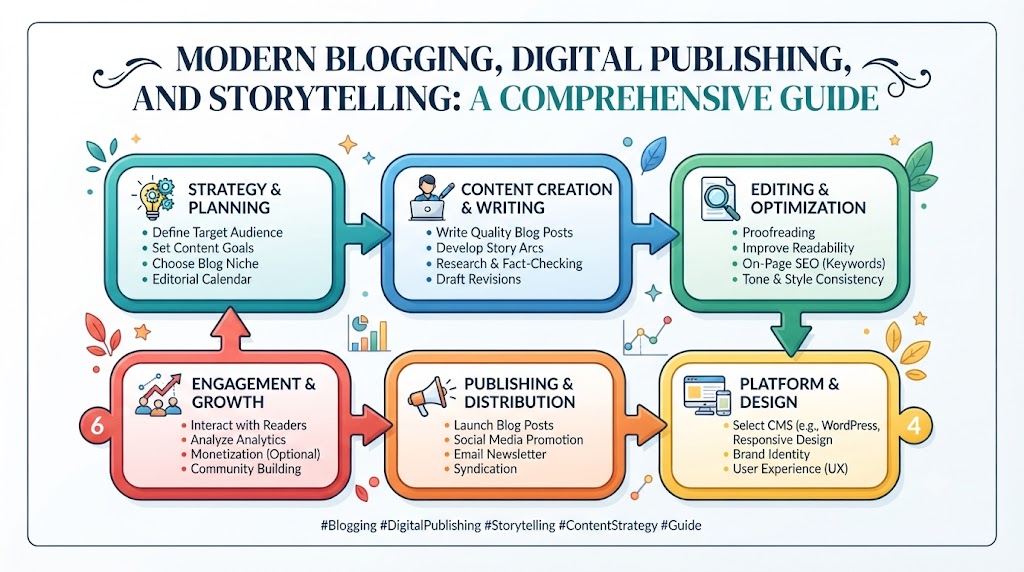
Embarking on your digital publishing journey does not need to be overwhelming. Follow this straightforward roadmap:
- Understand Your Publishing Goals: Define whether you want to build a personal brand, share creative fiction, or document research.
- Choose the Right Blogging Platform: Look for a distraction-free writing platform like BlogAion that removes clutter and lets you focus on words.
- Create Your Own Blog: Set up your profile, choose a clean layout, and claim your custom subdomain.
- Plan Quality Content: Outline your first three to five pieces to maintain momentum after launch.
- Publish Consistently: Establish a realistic writing cadence—whether weekly or bi-weekly—to keep readers engaged.
- Grow Your Readership: Share your work within relevant writing communities and engage with fellow creators.
- Building Authority: Focus on depth, accuracy, and unique perspectives in your niche.
- Improving Over Time: Analyze what resonates with your audience and refine your writing style continuously.
Best Practices for Digital Publishing
To ensure long-term success and readability, keep these foundational rules in mind:
- Write Consistently: Regular publishing trains your creative muscles and signals to search engines that your site is active.
- Create Evergreen Content: Focus on topics that remain relevant years down the line rather than chasing fleeting trends.
- Maintain Originality: Always infuse your unique voice and personal experiences into your writing.
- Improving Readability: Use subheadings, short paragraphs, and bullet points to make long-form pieces digestible.
- Organizing Content: Categorize your articles logically so visitors can explore related topics with ease.
- Building Topical Authority: Cover a specific subject thoroughly rather than scattering your focus too widely.
- Encouraging Engagement: Respond to comments and welcome constructive dialogue from your readers.
Common Mistakes to Avoid
Even experienced writers can stumble when navigating digital publishing. Here is how to avoid common pitfalls:
- Inconsistent Publishing: Posting sporadically can cause readers to lose interest. Solution: Create an editorial calendar and batch-write content ahead of time.
- Poor Content Organization: Cluttered menus frustrate visitors. Solution: Group your articles into clear, intuitive categories.
- Ignoring Readers: Failing to reply to comments isolates your audience. Solution: Set aside time each week to interact with your community.
- Keyword Stuffing: Forcing awkward keywords ruins the reading experience. Solution: Write naturally for humans first, letting search optimization happen organically.
- Weak Headlines: Boring titles fail to capture attention. Solution: Craft clear, compelling headlines that accurately promise value.
Practical Use Cases
How do different groups utilize modern publishing platforms?
- Personal Bloggers: Document daily reflections, travelogues, or hobbyist explorations on a free personal blogging website.
- Research Communities: Universities and independent think-tanks use a collaborative blogging platform to publish white papers and collaborative findings.
- Creative Writing Groups: Writers pool their short stories together on a community blogging platform to foster mutual critique and shared exposure.
- Professional Thought Leaders: Executives and consultants publish long-form analyses to establish industry authority.
Why BlogAion is a Practical Platform for Writers
When looking for a reliable home for your words, technical friction is often the biggest barrier. Complex setups, coding requirements, and bloated interfaces distract from the actual craft of writing. This is where BlogAion offers a refreshing alternative.
As a dedicated free blogging platform, BlogAion provides a calm writing platform engineered for clarity and focus. Writers can enjoy a minimalist blogging platform experience equipped with distraction-free editing tools. Whether you are looking to start a blog for free or want a free blog hosting for writers that requires zero configuration, BlogAion simplifies the process.
Key features include:
- Personal Subdomains: Establish your corner of the web instantly without buying separate hosting.
- Multi-Author Capabilities: Seamlessly collaborate with peers on a free multi-author blog.
- Global Writing Community: Connect with fellow creators in a thriving blogging community for writers.
- Responsive Reading Experience: Built-in light and dark reading modes ensure maximum comfort for your readers day or night.
- No Coding Required: Publish immediately through an intuitive interface designed for storytellers, students, and professionals alike.
Tips for Long-Term Success
Building a sustainable writing practice requires patience and dedication:
- Develop a Routine: Set aside dedicated time each day or week solely for writing without digital distractions.
- Prioritize Substance: Always value depth and authenticity over word count or publishing frequency.
- Engage Authentically: Build genuine relationships within your writing community rather than treating publishing as a one-way broadcast.
- Refine Your Voice: Allow your natural style to evolve by reading widely across different genres.
Frequently Asked Questions
1. What is a free blogging platform for writers?
It is an online service that allows authors, bloggers, and creatives to publish articles, stories, and essays on the web without paying for hosting or software setup.
2. How can I create a personal blog for free?
You can sign up on a dedicated writing platform like BlogAion, choose your personal subdomain, and begin publishing your thoughts immediately without needing technical web development skills.
3. What is a distraction-free blogging platform?
It is a publishing environment designed with a minimalist interface, stripped of ads, clutter, and complicated widgets, allowing writers to focus entirely on their text.
4. Why should writers use a personal publishing platform?
It grants complete creative control, ensures permanent ownership of digital archives, and provides a centralized portfolio to showcase work to audiences and clients.
5. Can I publish stories online for free?
Yes, many modern digital publishing platforms allow you to share fiction, poetry, and non-fiction essays with global readers at zero cost.
6. What is a multi-author blogging platform?
A platform that allows multiple writers, contributors, or editorial teams to collaborate, edit, and publish content under a shared publication or community blog.
7. Do I need coding knowledge to start blogging?
Not at all. Modern platforms feature clean, user-friendly text editors that handle all underlying web design and formatting automatically.
8. How can BlogAion help independent writers?
BlogAion offers a distraction-free writing space, personal subdomains, collaborative tools, and access to a supportive global community of storytellers.
9. How do I build an online writing portfolio?
Publish your best essays, articles, or stories consistently on a personal blog platform and organize them into clear categories for easy viewing.
10. Why is consistent publishing important?
It helps cultivate a steady writing habit, signals active engagement to search engines, and keeps your audience returning for new content.
Conclusion
Mastering the art of digital publishing empowers you to take control of your creative journey. By prioritizing thoughtful content, maintaining a consistent writing habit, and utilizing a reliable platform, you can build a lasting digital footprint that stands the test of time.