Introduction
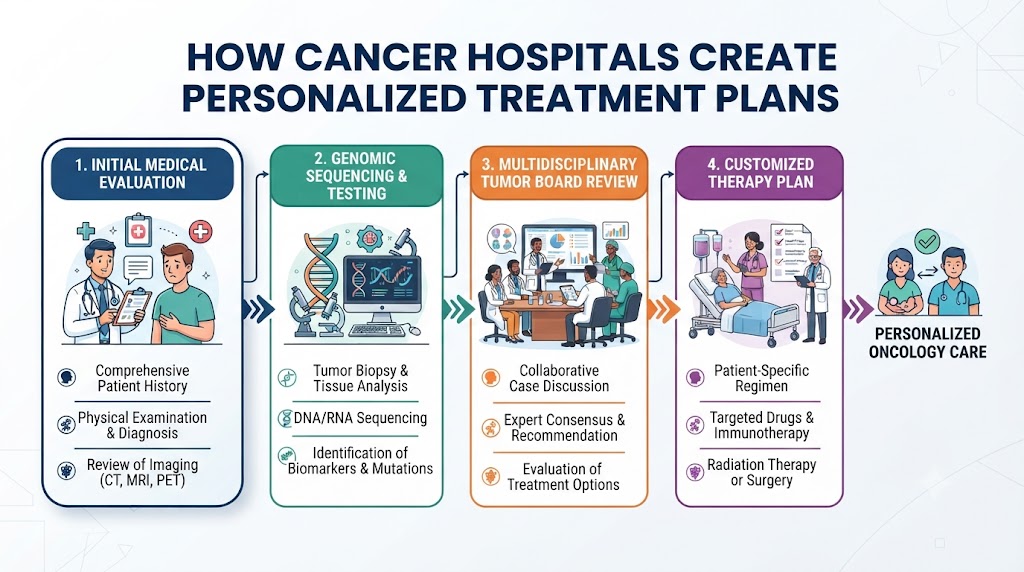
Cancer treatment is not the same for every patient. Every person has a unique health background. Doctors may look at many details to plan care. These details can include the cancer type, cancer stage, test and scan results, tumor features, and the patient’s general health. Doctors may also check previous treatments and patient needs and preferences. These factors can help the cancer care team plan suitable treatment. Personalized care helps doctors focus on what makes each patient’s situation different.
What Is a Personalized Cancer Treatment Plan?
A personalized treatment plan is a care plan made for an individual patient. No two patients get the exact same plan. This plan may include medical tests, surgery, radiation therapy, chemotherapy, targeted therapy, immunotherapy, hormone therapy, supportive care, and follow-up care.
Not every patient needs all these treatments. Treatment depends on the cancer and the person. Doctors use patient details to choose the right mix of care.
How Cancer Hospitals Assess Each Patient
Doctors use clear steps to understand a patient’s health. They gather important facts before they plan care.
- Medical history: Doctors review past illnesses and health events.
- Physical examination: A doctor checks the body for signs of illness.
- Blood tests: Labs check blood cells and other health signs.
- Imaging scans: Pictures of the inside of the body show tumor size and location.
- Biopsy results: Doctors take a small tissue sample to check for cancer cells.
- Cancer type: The specific name and origin of the cancer.
- Cancer stage: How far the cancer has spread in the body.
- Tumor features: Special markers or changes inside the cancer cells.
- Previous treatments: Any past care the patient has already received.
- Overall health: How well the body’s organs work right now.
Each factor helps the care team understand the disease better. This helps doctors plan safe and effective care.
Why Cancer Type and Stage Matter
Cancer type and stage affect treatment planning. Doctors look closely at where the cancer started. They check whether it has spread to nearby tissues or organs. They also measure the size and location of the tumor.
If cancer has spread to other parts of the body, treatment needs may change. Qualified cancer specialists make these decisions carefully. They do not use fixed rules for every patient.
How Test Results Guide Treatment
Doctors use test results to learn more about the disease. Pathology reports and biopsy results show detailed cell info. Blood tests and imaging scans show where the cancer may be active.
Some cancers have specific features called biomarkers. Molecular or biomarker testing can help doctors see if certain treatments may work well. Not every patient needs biomarker testing, but it can be useful in many cases.
How the Patient’s Overall Health Matters
Cancer care is about treating the whole person, not just the disease. Doctors look at the patient’s age and general physical condition. They check for other medical conditions like heart disease or diabetes.
Doctors also review current medicines and the patient’s ability to handle certain treatments. Personal needs and daily concerns matter too. This helps the team plan safe care that fits the patient’s life.
Role of the Cancer Care Team
Many experts work together to help a patient. This group is called the cancer care team. The team can include medical oncologists, surgical oncologists, and radiation oncologists. Pathologists and radiologists study tests and scans.
Oncology nurses, pharmacists, and nutrition professionals also help. Some teams include rehabilitation specialists and mental health or support professionals. The exact team can vary by patient and cancer type.
| Factor | What Doctors May Review | Why It May Matter |
|---|---|---|
| Cancer type | Type and location | Helps guide treatment choices |
| Cancer stage | Spread of cancer | Helps plan the level of care |
| Biopsy | Cancer cell details | Helps confirm the diagnosis |
| Scans | Tumor size and location | Shows where cancer may be present |
| Biomarkers | Certain cancer features | May guide some treatment choices |
| Overall health | General health and other conditions | Helps plan safe care |
How Doctors Discuss Treatment Options
A personalized plan involves talking about different care choices. Doctors discuss possible treatment options with the patient. They talk about expected benefits and possible risks.
Doctors also explain side effects, the treatment schedule, and recovery needs. Follow-up care and other available options are reviewed too. Patients may ask questions before making treatment decisions. Doctors are there to guide and explain every step.
Role of Patient Preferences
Treatment planning includes the patient’s personal voice. Doctors listen to patient questions and concerns. Daily needs and personal priorities matter a lot.
Patients share their treatment preferences and family support needs. Patients should discuss these concerns openly with their cancer care team. Personal preferences help doctors shape a comfortable care plan.
How Personalized Plans Can Change
Cancer treatment plans are not always fixed. A plan may change over time. Changes can happen based on new test results or the body’s response to treatment.
Side effects or changes in overall health can also affect the plan. If cancer grows or improves, doctors adjust the care. New clinical information can also bring new choices. Changes do not automatically mean that treatment has failed.
Common Mistakes Patients Should Avoid
Patients should try to avoid certain common pitfalls during care.
- Assuming every cancer patient gets the same treatment.
- Choosing treatment based only on one test.
- Not asking questions when things are unclear.
- Not sharing previous treatment details.
- Not telling the care team about other medicines.
- Ignoring side effects during treatment.
- Relying only on online information.
- Making treatment decisions without discussing them with qualified professionals.
Avoiding these mistakes helps patients stay safe and informed.
Simple Checklist for Understanding a Personalized Cancer Plan
Use this simple checklist to stay organized during your cancer care journey:
- Know your cancer type.
- Ask about your cancer stage.
- Understand the main test results.
- Ask about treatment choices.
- Ask about possible side effects.
- Ask about the treatment timeline.
- Ask about follow-up care.
- Keep copies of important medical records.
- Ask questions when something is unclear.
Questions Patients Can Ask About Their Treatment Plan
Patients can write down questions to ask their care team:
- What type of cancer do I have?
- What is my cancer stage?
- What tests were used to plan my treatment?
- What treatment options are available?
- Why is this treatment being considered?
- What are the possible benefits and risks?
- What side effects should I expect?
- How long may treatment take?
- Will my treatment plan change if my condition changes?
- Should I consider a second opinion?
How to Prepare for a Cancer Treatment Discussion
Good preparation helps make doctor visits useful.
- Keep medical reports together in one folder.
- Make a clear list of all current medicines.
- Write down your questions before you go.
- Bring a trusted support person if allowed.
- Take notes during the discussion.
- Ask for simple explanations of medical terms.
- Ask about the next step in your care.
- Ask when follow-up visits are needed.
FAQs
What is a personalized cancer treatment plan? A personalized cancer treatment plan is a care plan built for an individual patient. It uses specific health details, test results, and tumor features to choose suitable treatments.
How do cancer hospitals decide on treatment? Cancer hospitals look at the patient’s cancer type, stage, test results, and general health. A team of cancer specialists reviews these details together to recommend care.
Why does cancer stage matter in treatment planning? Cancer stage shows how far the cancer has spread in the body. This helps doctors know what level of care may be needed.
How do biopsy and scan results affect treatment? Biopsy and scan results show tumor size, location, and cell features. These findings help doctors confirm diagnosis and guide treatment choices.
Does every cancer patient need the same treatment? No. Every patient has different health needs and cancer features. Treatment plans are made to fit each person individually.
Can a cancer treatment plan change over time? Yes. Plans can change if health conditions change, if test results update, or if the cancer responds differently to care.
Can patients ask for a second opinion? Yes. Many patients talk to another doctor to get more information about their diagnosis and treatment options.
What questions should patients ask about their treatment plan? Patients can ask about treatment goals, benefits, risks, side effects, schedule, and follow-up care.
Conclusion
Personalized cancer treatment planning considers the cancer type, stage, test results, tumor features, overall health, previous treatment, and patient needs and preferences. Cancer care teams use these important details to discuss suitable treatment options and follow-up care with patients. Talk openly with qualified cancer specialists to ask questions and learn more about your care choices.