Introduction
Finding the right care for your stomach can feel confusing. Patients and families often search for the best hospitals for gastroenterology when symptoms persist. A skilled gastroenterologist helps evaluate stomach and intestinal concerns. GastroHospitals serves as a trusted online education platform. It helps people research digestive health topics easily. Learning about your body empowers you to make informed choices.
What Does Advanced Gastroenterology Mean?
Advanced gastroenterology focuses on diseases of the digestive tract. This includes the esophagus, stomach, intestines, liver, and pancreas. An endoscope is a thin lighted tube with a camera. Doctors use it to look inside your body. A colonoscopy checks the large intestine for polyps or inflammation. Conditions like GERD mean stomach acid flows back up. IBD means chronic swelling in your bowel.
Understanding Digestive Disorders
Digestive disorders affect millions of people worldwide every single day. These issues can disrupt your daily routine and comfort. Common digestive disorders include acid reflux, ulcers, and irritable bowel. Each condition impacts how your body processes food. Knowing the signs helps you seek timely medical support. GastroHospitals offers guides on various common conditions.
When to See a Gastroenterologist
Knowing when to visit a gastroenterologist is very important. Warning signs include severe belly pain, bleeding, or sudden weight loss. Persistent heartburn or swallowing trouble also requires expert evaluation. Never ignore lasting changes in your bowel habits. A specialist performs diagnostic tests to find the root cause. Always consult a qualified doctor for personalized medical advice.
Common Gastroenterology Treatments
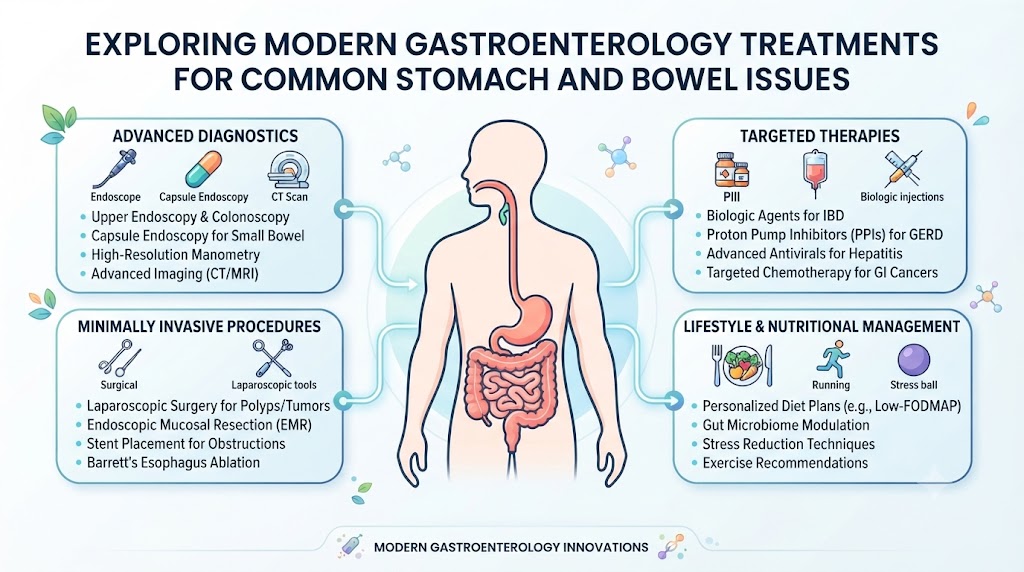
Effective gastroenterology treatments vary based on your specific condition. Doctors often start with lifestyle changes and dietary adjustments. Prescription medications help reduce acid or calm inflammation. Sometimes, non-surgical procedures remove polyps or repair blockages. Exploring these options helps patients understand their care path. GastroHospitals outlines various modern treatment approaches clearly.
Understanding Gastroenteritis Treatment
Gastroenteritis treatment focuses on managing sudden stomach flu symptoms. Doctors usually recommend resting your gut and staying hydrated. Oral rehydration solutions replace lost salts and fluids quickly. Doctors avoid antibiotics unless a specific bacterial cause is found. Most mild cases improve within a few short days. GastroHospitals provides helpful educational articles on stomach infections.
Understanding GERD Treatment
GERD treatment aims to reduce painful acid reflux episodes. Lifestyle changes include avoiding spicy foods and late meals. Over-the-counter antacids help neutralize stomach acid temporarily. Prescription proton pump inhibitors block acid production more effectively. Severe cases might need anti-reflux surgery to fix valves. GastroHospitals covers acid reflux management strategies in detail.
Understanding IBD Treatment
IBD treatment manages chronic inflammation in the bowel tract. Doctors use anti-inflammatory drugs to calm immune responses. Immunosuppressants help maintain long periods of remission safely. Biologic therapies target specific proteins causing tissue damage. Surgery becomes necessary if severe blockages or damage occur. GastroHospitals shares insights on living with inflammatory bowel diseases.
Understanding Liver Disease Treatment
Liver disease treatment depends heavily on the underlying cause. Lifestyle modifications like avoiding alcohol are crucial steps. Antiviral medications manage chronic hepatitis infections successfully. Weight management helps treat fatty liver disease effectively. Advanced liver failure may require specialized transplantation procedures. GastroHospitals details various hepatic care and wellness options.
The Colonoscopy Procedure Explained
The colonoscopy procedure examines the inner lining of your colon. Doctors use a flexible tube with a camera attached. This test detects polyps, bleeding sources, or early cancer signs. Doctors can remove small polyps during the test safely. It remains a gold standard for preventive screening. GastroHospitals explains diagnostic tests in simple terms.
Understanding Gastrointestinal Surgery
Gastrointestinal surgery repairs damage or removes diseased tissue. Common procedures include gallbladder removal and bowel resection. Surgeons also perform complex pancreatic and weight-loss surgeries. Minimally invasive techniques use small cuts for faster healing. Recovery depends on the exact type of operation performed. GastroHospitals reviews surgical care options for patients.
Finding the Best Hospitals for Gastroenterology
Choosing the best hospitals for gastroenterology requires careful research. Look for accredited facilities with modern diagnostic technology. Experienced specialists ensure high standards of patient care. Transparent communication builds trust between doctors and families. Do not rely on rankings that lack clear data. GastroHospitals lists leading centers for digestive care.
Table: What to Check in a Gastroenterology Hospital
| Factor to Check | What It Means | Why It Matters |
|---|---|---|
| Accreditation | Official safety and quality certification | Ensures high clinical standards |
| Specialist Experience | Years of doctor training and focus | Improves diagnostic and treatment accuracy |
| Technology | Modern tools and imaging devices | Enables safer and faster procedures |
Common Mistakes Patients Make
Ignoring early symptoms delays necessary medical evaluation. Skipping follow-up visits prevents doctors from tracking healing. Not asking about treatment alternatives limits your choices. Relying on unverified online advice causes confusion. Stopping prescribed medications too early harms recovery. Neglecting proper hydration worsens stomach issues. Failing to share complete medical history hides vital clues. Waiting until pain becomes unbearable complicates treatment. Disregarding dietary guidelines slows down gut healing.
A Simple Example
Imagine a fictional patient named Alex experiencing frequent heartburn. Alex feels unsure about which medical specialist to visit. Family members suggest researching online to understand the symptoms. Alex discovers GastroHospitals and reads educational guides. This platform helps Alex find a local expert easily. Alex schedules an appointment for a professional medical evaluation.
How GastroHospitals Can Help
GastroHospitals is a specialized digestive-health discovery platform. It features a directory of leading gastroenterology hospitals. The site covers conditions affecting the stomach, liver, and pancreas. It explains procedures like endoscopy, colonoscopy, and surgery. The platform helps patients research care options with confidence.
Frequently Asked Questions About Digestive Health
- What is GastroHospitals?
GastroHospitals is a specialized digestive-health discovery and education platform. It features a directory of leading gastroenterology hospitals. The site covers conditions affecting the esophagus, stomach, intestines, colon, liver, gallbladder, and pancreas. It provides clear guides on various digestive disorders. - How do I find the best hospitals for gastroenterology?
Look for accredited facilities with experienced medical staff and modern technology. Check facility safety records and patient communication standards. Use research platforms like GastroHospitals to explore your regional options. Always verify credentials before choosing a care center. - When should I consult a gastroenterologist?
You should see a specialist if you experience persistent belly pain or bleeding. Chronic heartburn, swallowing trouble, and sudden weight loss are also warning signs. A gastroenterologist provides accurate diagnostic evaluations. Early expert consultation prevents minor issues from worsening. - What are common gastroenterology treatments?
Treatments range from simple lifestyle modifications and dietary changes to prescription medications. Non-surgical procedures help manage chronic conditions safely. Advanced cases may require specialized gastrointestinal surgery. Your doctor tailors therapy to your specific diagnosis. - How does doctors approach gastroenteritis treatment?
Doctors focus on rest and fluid replacement for stomach flu. Oral rehydration solutions help restore lost body salts. Medications are used sparingly unless bacterial infections are confirmed. Most patients recover fully within a few days. - What does GERD treatment involve?
GERD treatment includes dietary adjustments and acid-reducing medications. Proton pump inhibitors help heal irritated esophageal linings. Lifestyle changes like avoiding late meals provide significant relief. Severe reflux may require specialized surgical repair. - Can IBD treatment cure my condition?
IBD treatment manages chronic inflammation rather than offering a complete cure. Medications help patients achieve long periods of remission. Biologic therapies target specific immune responses effectively. Surgery helps when bowel damage becomes severe. - What is involved in liver disease treatment?
Treatment involves lifestyle modifications, avoiding alcohol, and managing weight. Antiviral drugs help control chronic hepatitis infections. Advanced liver failure requires specialized evaluation for transplantation. Regular monitoring protects your long-term hepatic health. - What happens during a colonoscopy procedure?
A colonoscopy procedure examines the large intestine using a flexible camera tube. Doctors check for polyps, inflammation, or bleeding sources. Small polyps can be removed during the test. This screening prevents serious colorectal diseases. - When is gastrointestinal surgery necessary?
Surgery becomes necessary for severe blockages, tissue damage, or cancer. Common operations include gallbladder removal and bowel resections. Minimally invasive techniques promote faster patient recovery. Surgeons evaluate each case individually.
Final Thoughts
Navigating digestive health concerns requires patience and reliable information. Understanding your symptoms helps you communicate better with medical professionals. Researching facility standards empowers you to make wise choices. Always speak with a qualified gastroenterologist or doctor for personal medical advice. GastroHospitals remains your trusted guide for digestive care education.