Introduction
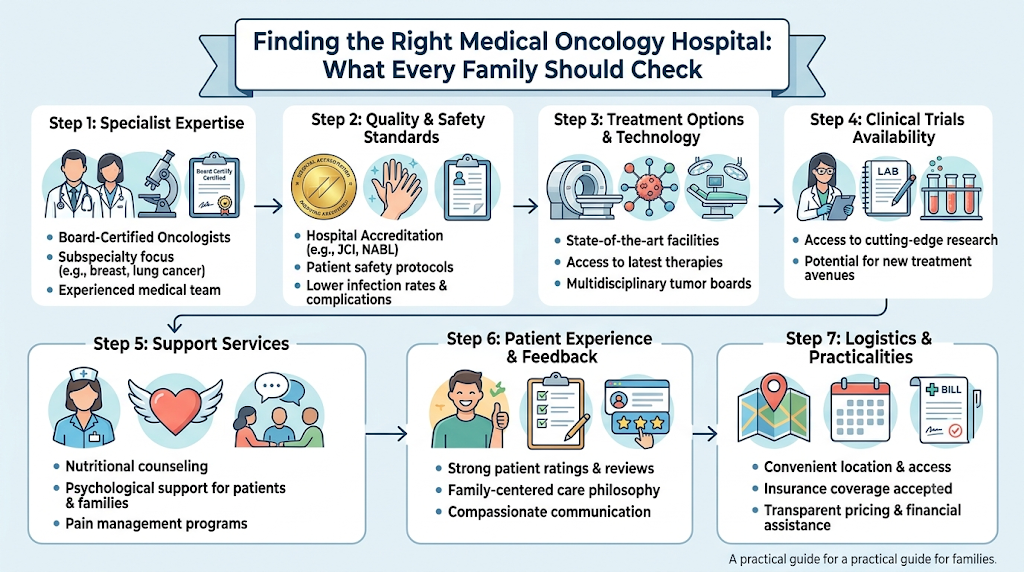
Receiving a cancer diagnosis can feel overwhelming for patients and their families. Choosing the right hospital is one of the most important decisions you will make. Medical oncology plays a central role in diagnosing cancer, planning treatments, and managing patient care. Because cancer care needs differ for every person, finding a facility with qualified specialists and proper equipment is vital.
This guide outlines key factors to evaluate when selecting a cancer care center. Platforms like CancersHospitals connect patients with detailed healthcare information to help families explore treatment options with confidence.
Understand What Medical Oncology Means
Medical oncology is a branch of medicine focused on treating cancer using medications. A medical oncologist is a doctor who specializes in managing these treatments and overseeing your overall care.
They create personalized treatment plans based on the cancer type, stage, test results, and overall health. Medical oncologists monitor your response to therapy and help manage any treatment-related side effects.
Key Medical Oncology Treatments
- Chemotherapy: Medications that destroy fast-growing cancer cells throughout the body.
- Immunotherapy: Treatments that help your body’s immune system fight cancer cells.
- Targeted Therapy: Medications that target specific molecules involved in cancer growth.
- Hormone Therapy: Treatments that block or remove hormones that feed certain cancers.
- Supportive Care: Medicines and therapies that relieve symptoms and side effects.
Identify Your Cancer Care Needs
Before choosing a facility, gather all available medical records. Knowing your specific diagnosis helps you narrow down hospitals that specialize in your condition.
Collect pathology reports, biopsy results, blood tests, and imaging scans. If you have existing health conditions, share these with your care team. Having your complete medical history allows specialists to recommend the safest treatment options. Seeking a second opinion can also help confirm your diagnosis and treatment path.
Check the Qualifications of Medical Oncologists
The skills and background of your treating doctor are essential. Look for medical oncologists with specialized training and board certifications in oncology.
Check if the doctor holds an active license with official medical registries. Experienced specialists stay updated on new research and treatment guidelines. They should explain complex treatment choices in simple language so you can make informed decisions.
Review the Hospital’s Cancer Treatment Experience
Experience with your specific type of cancer is a critical factor. Hospitals that treat a high volume of similar cancer cases often have well-established care processes.
Ask if the medical team has experience managing complex or advanced cases. A hospital with deep oncology experience is better prepared to coordinate care and manage unexpected complications safely.
Factors to Check When Choosing a Medical Oncology Hospital
| Selection Factor | What Patients Should Check | Why It Matters |
|---|---|---|
| Medical Oncologists | Board certifications, credentials, and specific cancer experience. | Ensures doctors have specialist knowledge for your condition. |
| Diagnostic Facilities | On-site biopsy, pathology, MRI, CT, and PET scan availability. | Enables fast, accurate cancer staging and treatment planning. |
| Treatment Options | Availability of chemotherapy, immunotherapy, and targeted therapies. | Ensures access to the specific care your condition requires. |
| Cancer Care Team | Access to surgeons, radiation oncologists, and oncology nurses. | Supports coordinated care through a multi-specialist approach. |
| Patient Safety | Emergency care access, infection controls, and side effect management. | Protects health during intensive cancer treatments. |
| Financial Support | Clear cost estimates, insurance coverage, and payment options. | Helps families plan medical expenses without sudden surprises. |
| Follow-Up Care | Long-term monitoring plans and survivorship support. | Helps track recovery and watch for signs of recurrence. |
Check Diagnostic and Testing Facilities
Accurate testing is necessary to determine the exact type and stage of cancer. A well-equipped hospital offers comprehensive diagnostic services under one roof.
Look for facilities with advanced pathology labs for accurate biopsy analysis. Imaging services like CT, MRI, and PET scans help map the extent of disease. Molecular or genetic testing may also be used to match your cancer with targeted therapies.
Understand the Available Cancer Treatment Options
Medical oncology includes a wide range of treatment methods. Your care team may suggest using one approach or combining different therapies.
The choice of treatment depends on your test results, cancer stage, and personal health goals. Your oncologist should outline the goals of each proposed therapy, explaining what to expect during and after treatment.
Check Access to Multidisciplinary Cancer Care
Cancer treatment often requires input from several types of specialists working together as a team.
- Medical Oncologists: Manage medication-based cancer therapies.
- Surgical Oncologists: Perform surgeries to remove tumors.
- Radiation Oncologists: Administer targeted radiation treatments.
- Pathologists and Radiologists: Analyze tissue samples and review medical scans.
- Oncology Nurses: Administer treatments and provide daily patient care.
- Support Staff: Offer nutrition, mental health, and rehabilitation guidance.
Multidisciplinary tumor boards meet to discuss patient cases and design well-rounded care plans.
Review Hospital Facilities and Treatment Support
Evaluating the hospital environment is an important step in your research. Cancer treatments like chemotherapy often require repeated day-care visits or overnight stays.
Check if the hospital has dedicated, clean infusion centers for day-care treatments. Confirm that an emergency department and intensive care unit are available on site. Pharmacy services should be well-stocked to provide supportive medications without delay.
Understand Treatment Safety and Side Effect Management
Cancer treatments can cause side effects such as nausea, fatigue, and low blood cell counts. A quality oncology center has clear protocols to manage these issues.
Ask how the hospital monitors patients during and after treatment infusions. Check if they provide 24/7 emergency contact options for severe side effects or fever. Clear caregiver instructions help keep patients safe at home between appointments.
Check Patient Support and Communication
Compassionate communication and emotional support are essential throughout cancer care.
Look for hospitals that assign oncology nurse navigators to guide you through appointments. Access to counseling, support groups, and nutritional planning can improve your quality of life. Make sure the care team communicates clearly and provides easy access to your medical records.
Review Patient Feedback and Hospital Reputation
Reading reviews from other patients can provide insights into the hospital experience. Patient comments often highlight nurse responsiveness, facility cleanliness, and appointment wait times.
However, online reviews should not be your sole decision factor. Star ratings cannot measure clinical quality or medical safety. Combine patient feedback with verified doctor credentials, facility standards, and official accreditations.
Understand the Cost of Cancer Treatment
Cancer therapies can involve significant financial investment. Request a detailed, itemized cost estimate before beginning your treatment plan.
Inquire about fees for doctor consultations, diagnostic scans, pathology services, and medications. Be sure to account for supportive drugs, day-care facility fees, and follow-up visits. Clear financial estimates help families prepare without unexpected bills.
Check Insurance and Financial Support
Navigating payment options is an important step before starting care. Ask the hospital’s financial counseling team to verify your health insurance coverage.
Determine if the hospital offers direct, cashless insurance billing options. Ask about policy limits, co-pays, and potential out-of-pocket costs. Knowing financial details early lets you focus on your treatment and recovery.
Understand Follow-Up and Long-Term Cancer Care
Cancer care extends beyond your initial treatment plan. Long-term monitoring is necessary to check your recovery and watch for signs of recurrence.
Follow-up care includes regular doctor visits, blood tests, and periodic imaging scans. Your care plan should also address managing long-term side effects and supporting your overall wellness.
Practical Hospital Selection Checklist
- The hospital has experience treating your specific type of cancer.
- Medical oncologist credentials and active licenses have been verified.
- Advanced diagnostic, pathology, and imaging services are available on site.
- Multiple treatment options (chemotherapy, targeted therapy) are offered.
- A multidisciplinary team reviews and plans patient care.
- Emergency support and side effect management protocols are in place.
- Chemotherapy infusion areas are clean, safe, and well-monitored.
- Itemized treatment cost estimates have been provided.
- Insurance coverage and payment options have been confirmed.
- A clear long-term follow-up plan has been outlined.
Ask Important Questions Before Choosing a Hospital
- Does your hospital specialize in treating my specific type of cancer?
- Which medical oncologist will lead my care team?
- What diagnostic tests do I need before starting treatment?
- Which treatment options do you recommend, and why?
- What are the expected benefits and potential risks of this plan?
- How are treatment side effects and emergencies managed?
- Is a multidisciplinary team involved in reviewing my case?
- What support services are available for me and my family?
- What is the total estimated cost of my treatment plan?
- How will my follow-up care be managed after treatment ends?
Watch for Warning Signs
Be cautious of facilities that pressure you to make fast treatment decisions without full explanations. Avoid providers who claim guaranteed cancer cures, as all treatments carry risks.
Watch out for unclear cost estimates or refusal to share doctor qualifications. If a doctor avoids answering your questions or discourages getting a second opinion, consider exploring other medical centers.
Compare Medical Oncology Hospitals Before Deciding
When possible, compare two or three qualified cancer hospitals before making a final choice. Evaluate doctor experience, available technology, safety standards, and financial estimates.
Choosing a hospital is about finding the right fit for your medical needs, care preferences, and financial situation. Taking time to compare facilities helps ensure you receive quality, supportive care.
Plan Follow-Up Care After Treatment
After completing primary treatment, maintain open communication with your oncology team. Keep copies of all pathology reports, scan summaries, and treatment records.
Attend all scheduled follow-up visits and blood tests as recommended. Share your discharge summaries with your primary care doctor so your overall health remains well-monitored.
Frequently Asked Questions (FAQs)
What does a medical oncology hospital do?
A medical oncology hospital evaluates, diagnoses, and treats cancer using medications like chemotherapy, immunotherapy, and targeted therapies.
What should patients check before choosing a cancer hospital?
Patients should check oncologist credentials, diagnostic tools, available treatment options, multidisciplinary care, safety standards, and costs.
What qualifications should a medical oncologist have?
A medical oncologist should hold a medical degree, specialized oncology training, board certification, and an active medical license.
What is the role of a medical oncologist in cancer treatment?
A medical oncologist oversees your cancer care, designs medication-based treatment plans, monitors progress, and manages treatment side effects.
What cancer treatments may a medical oncology hospital offer?
Hospitals offer treatments such as chemotherapy, targeted therapy, immunotherapy, hormone therapy, and supportive symptom care.
Why are biopsy and pathology services important?
Biopsy and pathology services examine tissue samples to confirm the exact type, grade, and characteristics of cancer cells.
Can patients get a second opinion before cancer treatment?
Yes, getting a second opinion helps confirm your diagnosis, verify the proposed treatment plan, and explore alternative care options.
How can patients compare cancer treatment costs?
Patients can request itemized cost estimates covering consultations, tests, medicines, day-care fees, and follow-up care from each hospital.
Why is a multidisciplinary cancer care team useful?
A multidisciplinary team brings together various specialists to review cases, ensuring all aspects of your care are covered.
Why is follow-up care important after cancer treatment?
Follow-up care monitors recovery, manages late side effects, and checks for signs of cancer recurrence through regular checkups and scans.
Conclusion
Selecting the right medical oncology hospital is a vital step in your cancer journey. Focus on finding qualified medical oncologists, accurate diagnostic services, and comprehensive care options. Ensure the hospital emphasizes patient safety, multidisciplinary teamwork, and transparent communication.
Understanding your treatment plan, potential risks, costs, and follow-up care will help you move forward with confidence. Taking time to research options ensures you receive quality care tailored to your health needs.