Intoduction
Cancer affects every person in a unique way. No two patients experience the disease in the exact same manner. Because of this, treatment should not follow a single fixed routine for everyone. The right care plan depends on many distinct factors. These include the cancer type, its stage, detailed test results, and overall health. Personal needs and goals also play a key role.
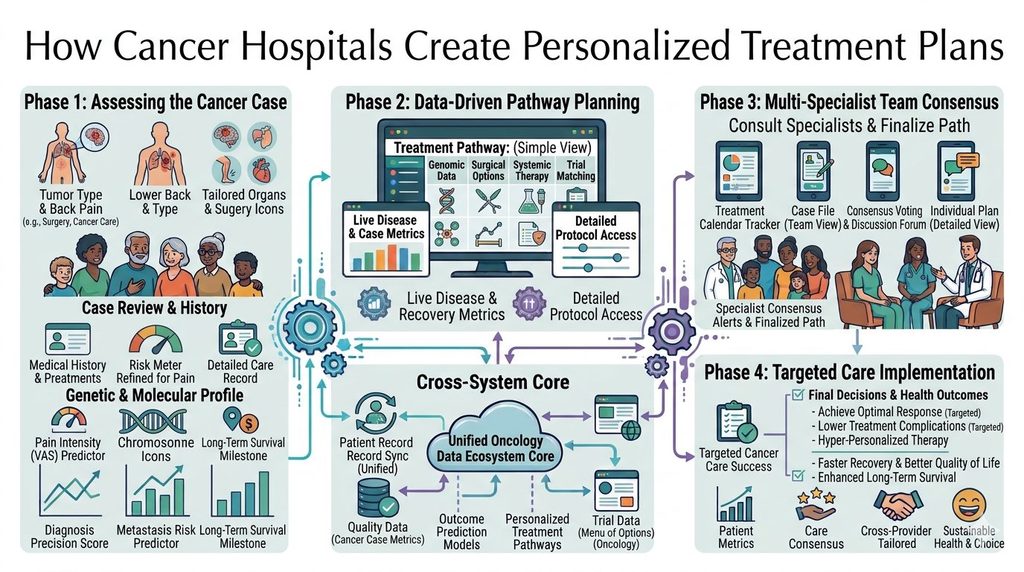
Cancer hospitals bring together medical facts and expert advice for every patient. They create personalized treatment plans to guide safe and effective care. This approach helps patients receive care that fits their specific diagnosis. Understanding this process can help you and your family feel more prepared.
What Is a Personalized Cancer Treatment Plan?
A personalized cancer treatment plan is a tailored medical care guide. Doctors build this plan around a patient’s exact medical details. They do not use a one-size-fits-all approach. Instead, they examine the specific characteristics of the disease.
Two people may have the same type of cancer. However, their treatment plans might look completely different. One person may need surgery first. The other person may start with medicine or radiation.
Personalized care does not mean creating a brand-new medicine for every person. It means choosing proven treatments that fit your unique situation best. Doctors look at your medical history and test findings carefully. They use these details to build a clear and effective care path.
Why Cancer Treatment Plans Differ From Patient to Patient
Cancer treatment plans vary because every patient and tumor is different. Doctors evaluate several key factors before making any care decisions.
First, they look at the cancer type and where it started. They also check the cancer stage and tumor location. Test results give clear clues about how the cells behave.
Second, doctors evaluate your age and general health. Other health conditions can affect how your body handles treatment.
Finally, your personal goals and daily preferences matter greatly. All these factors shape the choice, order, and timing of care. No single treatment path works best for every person.
How Doctors Confirm the Cancer Diagnosis
Doctors start by collecting basic health information. They review your medical history and perform physical exams. These initial steps help them understand your general well-being.
Next, doctors use imaging tests like X-rays or CT scans. They may also order detailed blood tests. A biopsy is often necessary to confirm cancer. During a biopsy, doctors take a tiny sample of tissue. Pathologists check this tissue sample for cancer cells under a microscope.
Not every patient requires every available test. Doctors select specific tests based on your suspected condition. These accurate results help doctors understand the cancer before recommending treatment.
How Cancer Stage and Type Guide Treatment Planning
Cancer type and cancer stage are two distinct medical details. Cancer type describes where the disease first began in the body. It also identifies the specific cells involved.
Cancer stage describes how much the cancer has grown or spread. Early stages usually mean the tumor is small and local. Advanced stages mean it has spread to other areas.
Doctors use both type and stage to guide treatment choices. They may consider surgery, radiation, or drug therapies based on this information. A treatment that works for one stage may not suit another.
How the Cancer Care Team Builds a Treatment Plan
Cancer treatment planning involves many skilled healthcare professionals working together. Medical oncologists specialize in cancer medicines and chemotherapy. Surgical oncologists perform operations to remove tumors. Radiation oncologists manage radiation therapies.
Pathologists and radiologists analyze test samples and medical images. Specialist nurses provide direct care and help guide patients.
These experts form a multidisciplinary care team. They meet regularly to review test results together. They discuss all available treatment options and consider patient needs. This collaborative effort helps build a balanced, comprehensive care plan.
How Genetic and Molecular Tests Can Help
Genetic and molecular tests examine the inner details of cancer cells. These advanced tests look for specific changes or mutations within the tumor.
The results help doctors find targeted therapies or immunotherapies. These treatments focus on specific features of the cancer cells.
However, these tests are not needed for every patient. A test result does not guarantee that a specific drug will work.
It is also important to know the difference in test types. Testing cancer cell DNA is different from testing inherited genes that measure family risk.
How Doctors Choose Between Different Cancer Treatments
Doctors select from several core cancer treatment options based on medical facts.
- Surgery: Removes the tumor from the body when suitable.
- Radiation therapy: Uses focused energy rays to treat cancer cells.
- Chemotherapy: Uses medicines to kill or control fast-growing cells.
- Targeted therapy: Attacks specific proteins or signals within cancer cells.
- Immunotherapy: Helps your immune system recognize and fight cancer cells.
- Hormone therapy: Blocks natural hormones that fuel certain cancer types.
- Supportive and palliative care: Manages symptoms and improves overall comfort.
Doctors may recommend a single treatment or a combination. The final choice depends on your cancer type and overall health. No treatment can offer a guaranteed cure for everyone.
How a Patient’s Overall Health Affects the Treatment Plan
Doctors carefully review your general physical health before starting care. They evaluate existing conditions like heart disease or diabetes. They also check current medicines, physical strength, and nutrition levels.
Possible side effects must be balanced against your daily strength. Doctors want to ensure you can manage the recommended treatment safely.
They may adjust medicine doses to protect your quality of life. Always share your complete medical history with your care team. Never stop taking your prescribed medicines without doctor advice.
How Patients Take Part in Treatment Decisions
Patients play an active role in their own care decisions. You should feel comfortable asking questions about your care plan.
Ask about treatment goals, expected benefits, and potential side effects. Consider how care choices will affect your daily life, travel, and finances.
You can also seek a second opinion for extra clarity. Doctors welcome second opinions to confirm diagnoses.
Before treatment begins, you will complete an informed consent process. This means your team explains all details before you agree to care. Your choices and personal preferences are respected throughout this process.
How Cancer Hospitals Review and Update Treatment Plans
Treatment planning is an ongoing process that can change over time. Doctors monitor your body’s response to therapy very closely.
They review new test results and monitor any side effects. If necessary, they reassess and update the care plan.
A plan change does not mean the first choice was wrong. It simply means doctors are adapting to new health information. Regular follow-up visits keep communication open between you and your care team.
Questions Patients Should Ask Before Starting Treatment
Asking clear questions helps you understand your care options better.
- What exact type and stage of cancer do I have?
- What are the main goals of my recommended treatment?
- Are there other treatment options available for me?
- What benefits and side effects should I expect?
- Will I need more diagnostic tests before we begin?
- How will this treatment plan affect my daily routine?
- How will we check if the treatment is working?
- Whom should I call if I experience new symptoms?
Clear communication helps you feel more confident and prepared. Your care team will guide you through every choice.
Two Important Tables for Understanding Personalized Cancer Care
The tables below outline key factors and questions involved in personalized care planning.
Table 1: Factors That Shape a Personalized Cancer Treatment Plan
| Factor | What Doctors Review | How It May Affect the Plan |
| Cancer type | Where the cancer began and the cell type | Helps identify relevant treatment options |
| Cancer stage | The size and spread of the cancer | Helps guide treatment goals and choices |
| Test results | Imaging, biopsy, and other findings | Helps confirm the diagnosis and guide care |
| Overall health | Other conditions and current medicines | Helps assess treatment risks and needs |
| Molecular findings | Certain changes in cancer cells, when tested | May identify options for selected treatments |
| Patient preferences | Goals, concerns, and daily needs | Helps shape shared treatment decisions |
Table 2: Questions to Discuss During Cancer Treatment Planning
| Question | Why It Matters |
| What is the goal of treatment? | Helps explain what the care team hopes to achieve |
| What options are available? | Helps patients understand possible approaches |
| What side effects may occur? | Helps patients prepare for possible changes |
| Are more tests needed? | Clarifies whether more information is required |
| How will progress be checked? | Explains how the care team will review treatment |
| Who can help with concerns? | Helps patients know where to seek support |
Common Misunderstandings About Personalized Cancer Treatment
Many people misunderstand what personalized cancer care actually involves.
Personalized treatment does not always mean using rare or new medicines. It does not mean every patient needs complex genetic testing either.
A personalized plan simply uses reliable evidence tailored to your medical needs. It does not promise guaranteed results or instant cures. Supportive care is often included to help manage comfort and symptoms effectively.
How CANCERSHOSPITALS Fits Into the Patient’s Research Process
Learning about diagnosis and care options helps families feel prepared. Reliable cancer information allows patients to have better discussions with doctors. CANCERSHOSPITALS provides helpful educational resources about cancer care and hospital treatment planning. This clear information helps patients ask better questions during medical consultations.
Frequently Asked Questions About Personalized Cancer Treatment Plans
1. What is a personalized cancer treatment plan?
A personalized cancer treatment plan is a customized care guide. Doctors build it using your exact diagnosis, stage, test results, overall health, and preferences. It helps ensure that your treatment fits your unique body and medical situation.
2. How do cancer hospitals decide which treatment is best?
Cancer hospitals evaluate several medical factors together. The care team considers your cancer type, stage, specific test results, and general health. They combine these findings with proven medical evidence to choose the most suitable options.
3. Does every cancer patient need genetic testing?
No, genetic testing is not necessary for every cancer patient. Doctors order these tests only when specific cell changes could alter treatment choices. Your oncology team will let you know if this testing helps your care.
4. Can two patients with the same cancer receive different treatments?
Yes, two people with the same cancer can receive different plans. Differences in cancer stage, cell features, overall health, and personal goals affect treatment choices. Each plan is designed around the individual patient.
5. What role does a cancer care team play in treatment planning?
A cancer care team brings together experts from different medical fields. Oncologists, surgeons, radiologists, pathologists, and nurses review test results together. This teamwork helps create a balanced and thorough care plan for the patient.
6. Can a cancer treatment plan change after treatment begins?
Yes, a treatment plan can change as care progresses. Doctors closely monitor your response to medicine, manage side effects, and check new tests. They adjust the plan whenever necessary to keep your care safe and effective.
7. What should patients ask before starting cancer treatment?
Patients should ask about the main goals of their treatment plan. It is also wise to ask about possible side effects, other available options, and daily life changes. Clear questions help you make informed decisions with your doctor.
8. Does personalized cancer treatment always include targeted therapy?
No, personalized care does not always use targeted therapy. Targeted medicines work only for specific cancer types with known molecular markers. Your doctor will use targeted therapy only if your test results support it.
9. Can patients ask for a second opinion about their cancer treatment plan?
Yes, patients can always seek a second opinion from another doctor. Asking another specialist helps confirm your diagnosis and treatment choices. Your current care team can help share your records for this review.
10. Does a personalized treatment plan guarantee successful cancer treatment?
No treatment plan can guarantee a positive outcome or cure. Every person responds to cancer care in a different way. Personalized planning simply helps doctors choose options with the best expected balance of safety and benefit.
Conclusion
Personalized cancer treatment planning helps doctors deliver care matched to your exact needs. By reviewing your cancer type, stage, test results, and general health, the care team creates a clear path forward. Your personal goals and preferences remain an essential part of this decision process.
Working closely with qualified healthcare professionals ensures you receive clear answers and safe care. Do not hesitate to ask questions, seek second opinions, and discuss all available options. Clear information helps you move forward through cancer treatment with confidence.